
A proven self-care tool for back pain relief and post-partum care
The Buttafly Technique can be used to care for your spine and well-being during the post-partum period in a way that promotes deep relaxation and offers symptom relief at home, and is ideal to fit in with the realities of your busy schedule as a new mum. After childbirth, it’s common to experience back discomfort due to a combination of hormonal changes, weakened core and pelvic floor muscles, and the physical demands of caring for your baby. These factors, along with fatigue and disrupted sleep, can contribute to tension, poor posture, and slower recovery.
With the Buttafly Technique, you have a practical, evidence-based approach that supports your body’s natural alignment and healing abilities. By focusing on mindful posture, restorative movement, and gentle strengthening, the Technique helps reduce pain, restore function, and foster a sense of ease. Ergonomic adjustments for feeding and lifting, combined with regular practice, create a foundation for long-term spine health. By listening to your body and integrating these supportive strategies, you can move through this important transition with greater comfort, resilience, and confidence, honouring both your journey and your body’s remarkable capacity to heal.
See below for common complaints related to the spine in the post-partum period.

Lower Back Pain (Lumbago)
- Extremely common after childbirth, both in those who delivered vaginally and via Caesarean section.
- Causes: Hormonal changes (especially relaxin, which loosens ligaments), weakened core and pelvic floor muscles, postural changes from pregnancy, and the physical demands of caring for a newborn (lifting, feeding, carrying).
- Symptoms: Dull or aching pain in the lumbar region, sometimes radiating to the hips or legs.
Sacroiliac joint pain
- The sacroiliac (SI) joints become more mobile during pregnancy and may remain unstable post-partum, leading to pain in the lower back and buttocks.
- Symptoms: Sharp or aching pain at the back of the pelvis, sometimes aggravated by standing, walking, or changing positions.
Upper back and shoulder pain
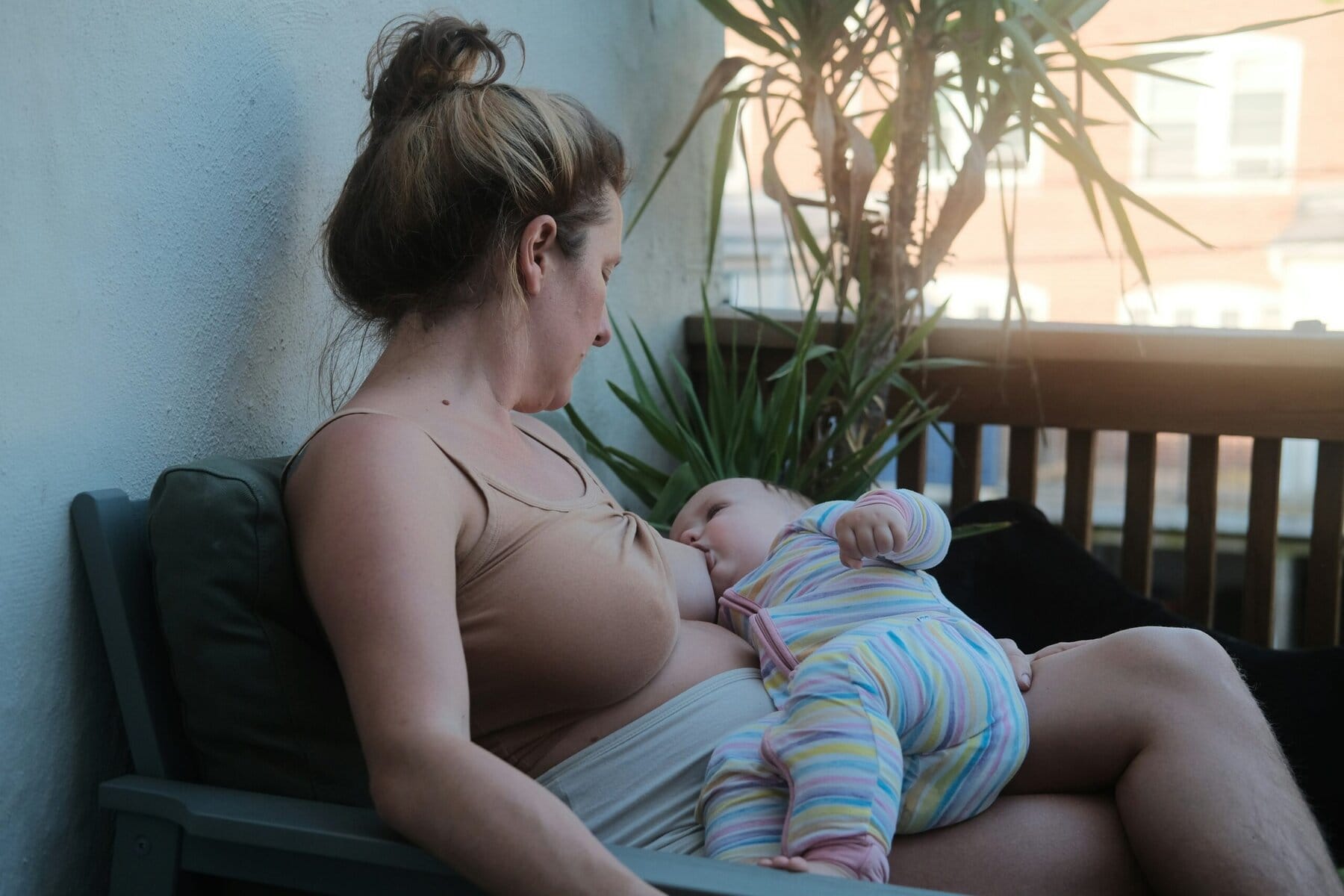
- Often related to feeding posture (breast or bottle), carrying the baby, and repetitive lifting.
- Symptoms: Tension, stiffness, or pain between the shoulder blades, neck, and upper back.

Coccyx (tailbone) pain (Coccydynia)
- It can result from trauma during childbirth, especially with prolonged labour or instrumental delivery.
- Symptoms: Pain at the base of the spine, worse when sitting or moving from sitting to standing.
-
Coccydynia can occur during defecation. This is a common complaint for people experiencing tailbone pain, especially after childbirth or following an injury. The coccyx sits just behind and helps to support the rectum, and the pressure or movement involved in passing a bowel movement can irritate the area, leading to discomfort or sharp pain.If coccyx pain is persistent, severe, or accompanied by other symptoms (such as numbness, weakness, or changes in bowel or bladder control), it’s essential to consult a healthcare professional to rule out other causes and receive appropriate support.
Poor posture and postural fatigue
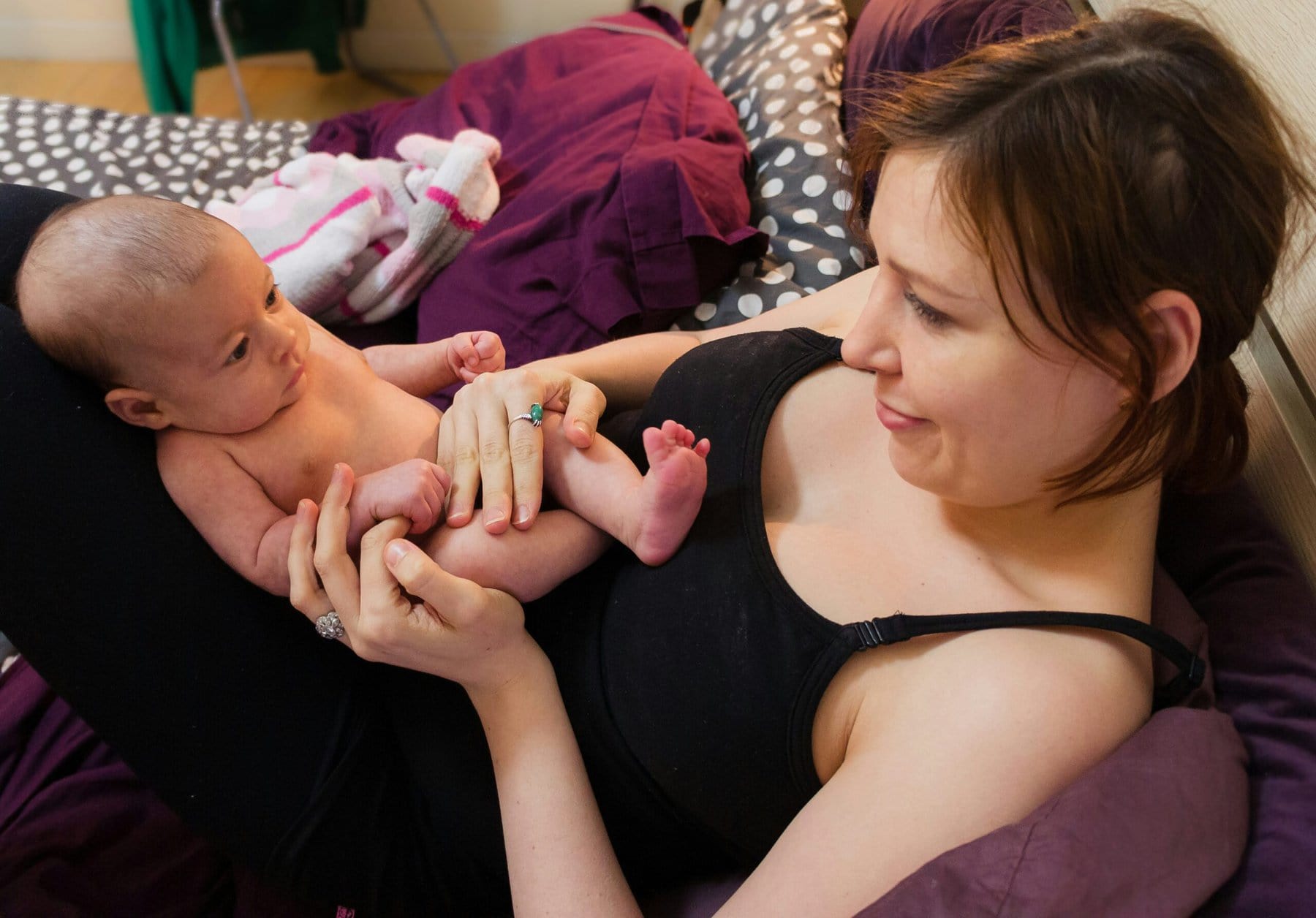
- The demands of infant care, especially frequent sitting, slouching, or awkward positions, can lead to muscle fatigue and imbalances.
- Symptoms: Generalised back discomfort, stiffness, and increased fatigue.
Pelvic Girdle Pain
- Includes pain in the pubic symphysis and around the pelvis, often persisting from pregnancy.
- Symptoms: Pain in the front and/or back of the pelvis, sometimes radiating to the thighs.
Frequently asked questions

The body has a deep intelligence and the capacity to bring itself back into balance. That said, we rarely, if at all, consider how this applies to the spine and posture. But it does, and the Buttafly Technique harnesses it beautifully.
— Loulou James, MCSP
Spinal Health Specialist and the designer of the Buttafly