March 11, 2026
What do they eyes have to do with posture?
When we think about posture, we usually think about the spine.
We think about how we sit, stand and move. We may consider the position of our pelvis, the curve of our spine or the strength of our muscles.
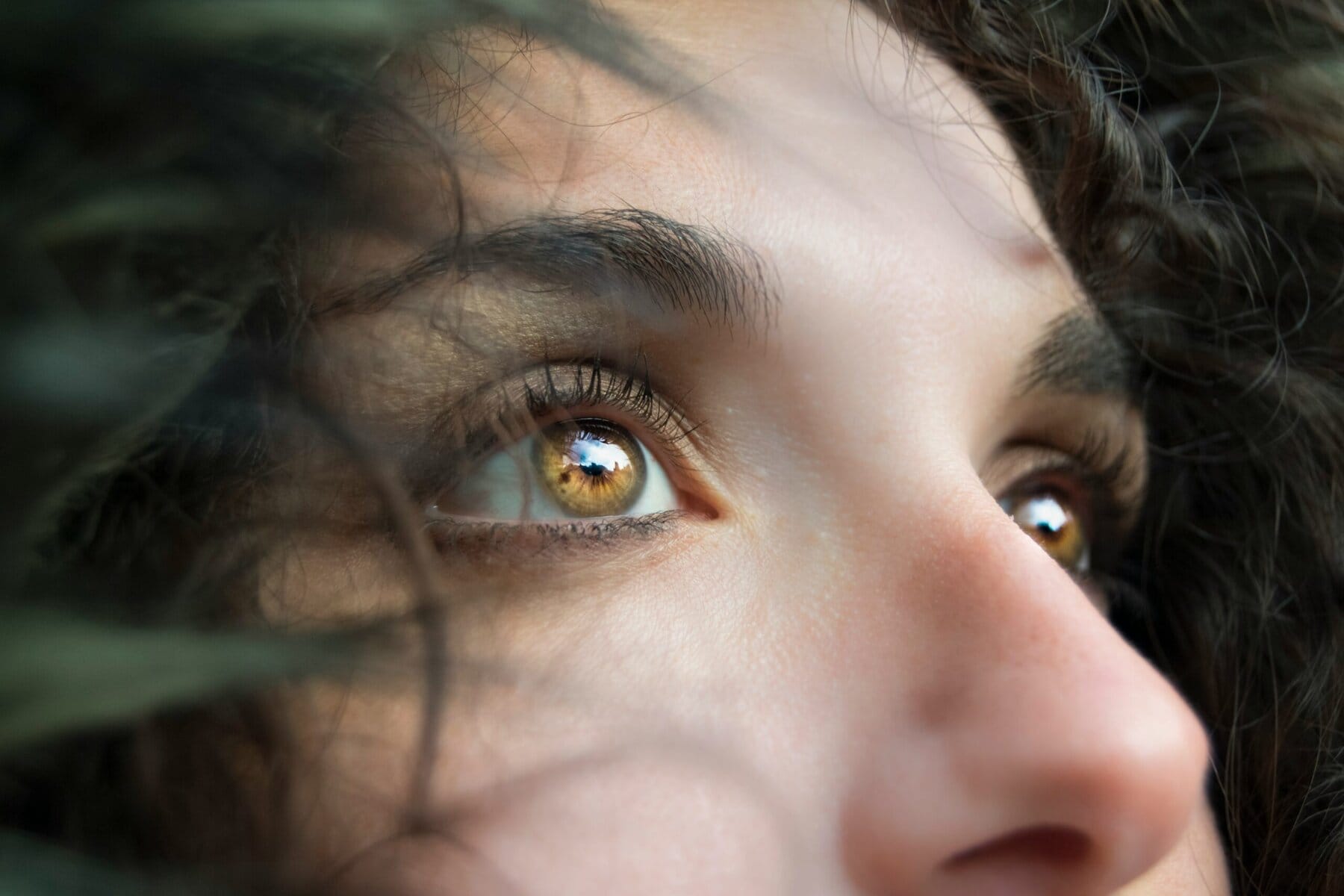
Yet one of the most influential guides for posture is something we rarely think about:
our eyes.
A simple phrase that has stayed with me since my early days as a physiotherapist is:
“Where the eyes go, the head will follow.”
This is not just a useful observation about movement. It reflects a deeper relationship between the eyes, the head, the cervical spine and the nervous system.
The way we use our gaze influences how we organise ourselves physically. It affects the position of the head and neck, the way we breathe, and the signals our nervous system receives about our environment.
Through my years of clinical practice, yoga teaching and the development of the Buttafly Technique, I have become increasingly fascinated by the role of the eyes in helping the body release tension, find greater ease and move towards balance.
The eyes, the head and the cervical spine
Our eyes and our neck are intimately connected.
Every moment of every day, our eyes are guiding our movements. We look towards something that interests us, something that requires our attention or something we need to respond to — and almost instantly the head and neck organise themselves to support that intention.
This relationship is particularly important around the upper cervical spine, where the skull meets the top of the spine at the atlanto-occipital (AO) joint.
When the eyes are working with ease, the head can often balance more naturally over the spine.
However, when we are under stress, concentrating intensely or habitually looking down at screens, many people develop patterns of holding through the eyes, jaw, neck and upper spine.
The body is always adapting.
The question is whether those adaptations are supporting ease or creating unnecessary tension.
How the gaze influences relaxation
The eyes are not only involved in posture and movement. They are also closely linked with how we experience the world around us.
Our visual system is constantly gathering information.
Is the environment safe?
Do I need to stay alert?
Do I need to prepare for what comes next?
A narrow, focused gaze can be useful when we need concentration. It helps us attend and respond.
But a softer, broader gaze can send a different message to the nervous system.
For many people, allowing the eyes to soften or widening their awareness into the peripheral vision creates a sense of calm and reduces the feeling of needing to stay constantly vigilant.
This is one reason mindful use of the eyes can become such a powerful tool in meditation, relaxation and restorative practices.
The eyes in meditation and rest
The eyes are often treated as an afterthought in meditation.
Yet the quality of our gaze can influence both our physical posture and our mental state.
A soft downward gaze can encourage the head and neck to settle.
Relaxing the muscles around the eyes, forehead, temples and jaw can reduce unnecessary holding.
Closing the eyes, when comfortable, reduces visual input and allows attention to turn inward.
These small changes may appear subtle, but the body responds to subtle information all the time.
The eyes and the Buttafly Technique
The relationship between the eyes, the upper cervical spine and the nervous system has become particularly apparent to me through practising and teaching the Buttafly Technique.
The Buttafly Technique involves lying comfortably with the Buttafly precisely positioned beneath the pelvis, allowing the body to rest without force.
During this supported rest, I often invite people to explore the quality of their gaze.
A soft downward gaze can encourage a release through the suboccipital muscles — the small muscles at the base of the skull that play an important role in head and neck balance.
As the upper neck softens, many people notice changes elsewhere in the body.
This reflects the interconnected nature of the spine.
A small change at one end of the body can influence the whole system.
In my own experience, and through years of clinical observation, when the head and upper neck release unnecessary tension, the body often feels less braced and more able to let go.
A gentle exploration
The relationship between the eyes, posture and the nervous system is a reminder that the body is constantly communicating and adapting.
Sometimes the most meaningful changes do not come from doing more.
They come from paying attention.
The next time you sit in meditation, practise yoga, rest in Savasana or simply pause during your day, notice your eyes.
Where are they looking?
Are they working hard?
Can they soften?
Can your gaze become less about searching and more about allowing?
The eyes are a small but powerful doorway into understanding the relationship between posture, relaxation and the body’s natural ability to return towards balance.

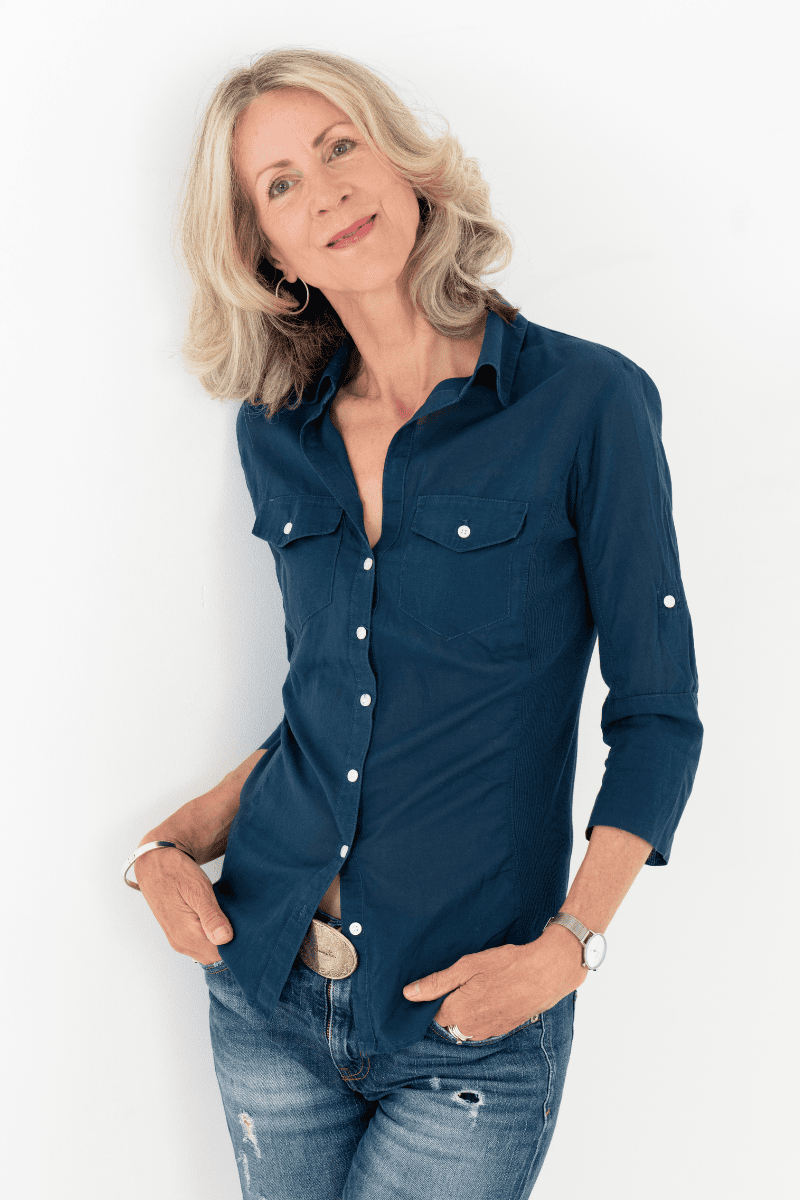
Loulou James | Founder of the Buttafly
Reflections from my work in natural back care and embodied spine health
May your spine be aligned, your body be at ease, and your spirit soar with vitality.