
August 4, 2026
Sitting with the Buttafly
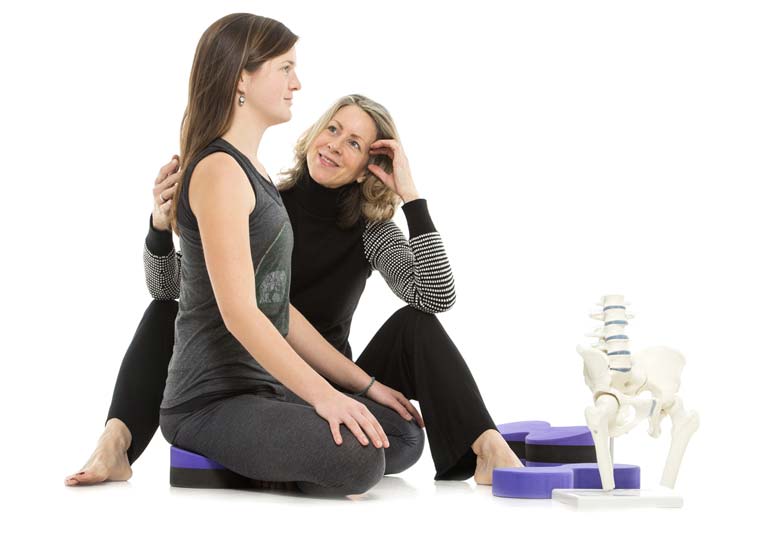
This weekend I had the joy of sharing the Buttafly at the World Yoga Festival.
Events like this are always a wonderful opportunity to meet people face-to-face, hear their experiences and watch what happens when people encounter the Buttafly for the first time.
One of the joys of sharing the Buttafly is seeing those moments of discovery. Some people immediately understand the design; others are curious about this unusual-looking yoga prop and want to know how it can support their practice.
But the most rewarding moments come when people sit on it…
Often there was a quiet moment of recognition.
A sense of:
“Ohhh… this feels different.”
For some, it was simply the comfort of being better supported. For others, it was a feeling of greater openness through the hips and pelvis, more space in the body, or a sense that sitting had become easier than they expected.
Several experienced yoga practitioners, including teachers, noticed changes through the hips and pelvis simply from sitting on the Buttafly.
It reminded me of something that has been at the heart of the Buttafly journey from the beginning:
When the body is well supported, its own intelligence can respond.
Finding comfort, stability and ease in sitting
Sitting seems simple.
We sit every day.
Yet the quality of how we sit influences so much of what follows — from meditation and breathwork to yoga practice, spinal comfort and our ability to rest.
One of the things I was reminded of over the weekend was how strongly our habitual patterns of sitting influence us. Even when sitting on the Buttafly for the first time, many people naturally rolled the pelvis backwards, rounded the lower back and settled into a familiar posture.
This is incredibly common. Most of us have never been taught how to sit in a way that allows the pelvis and spine to be supported comfortably.
When the pelvis rolls backwards into a posterior pelvic tilt, the tailbone may become more involved in taking weight. Even when the tailbone itself is not directly weight-bearing, the tissues around the pelvis can become compressed as the buttock flesh is held against the underlying structures.
The Buttafly has been specifically designed to address this.
By bringing the sit bones towards the back edge of the Buttafly, the buttock tissue can fall away naturally, helping to reduce pressure around the tailbone and allowing the pelvis to find a more balanced position.
From there, the spine often begins to organise itself with much less effort.
This is not about forcing the body into a perfect posture.
It is about creating the conditions for the body to find greater ease.
The importance of guidance
One of the biggest reminders from the weekend was the value of guidance.
The Buttafly is a simple and beautifully designed support tool. But like any tool, understanding how to use it allows you to experience its full potential.
A small adjustment can transform the experience. Knowing where to place the pelvis, allowing the body time to settle, and noticing what changes when the body is properly supported.
These simple elements can make the difference between simply sitting on a prop and discovering a new relationship with sitting.
The Buttafly is more than a yoga prop
Although many people first discover the Buttafly through yoga, its benefits extend beyond the yoga mat.
The Buttafly can be a valuable tool for anyone wanting to explore more comfortable, supported and aware sitting — whether for meditation, breathwork, restorative practice or rehabilitation.
One of the things I have observed over many years is how accustomed we have become to relying on the back of a chair for support. While chairs have their place, constantly leaning back can mean that the muscles responsible for supporting our upright posture become less engaged.
Sitting on a Buttafly without the support of a chair back provides an opportunity to reconnect with the body’s own postural support system. With the pelvis well positioned and the spine comfortably aligned, the deep postural muscles can begin to work in a more natural way.
This is not about holding yourself rigidly upright or creating tension. It is about finding a balanced position where the body can support itself with greater ease.
For some people, this becomes an important part of rehabilitation — gently re-educating movement patterns, building awareness and helping the body rediscover more efficient ways of supporting itself.
Finding steadiness and ease in sitting
This experience at the World Yoga Festival reinforced why I created the workshop:
Transform your yoga with the Buttafly — Finding Steadiness and Ease in Sitting.
In this practical workshop, we explore how thoughtful support can help the pelvis, spine and breath find greater comfort and ease in seated practice.
Whether you use the Buttafly for meditation, pranayama, yoga or simply sitting more comfortably, understanding how to position yourself and how to listen to your body can change your experience.
Because sitting is the foundation for so much of what we do.
And when we find steadiness and ease in sitting, everything that follows has the opportunity to feel different.

Loulou James | Founder of the Buttafly
Reflections from my work in natural back care and embodied spine health
May your spine be aligned, your body be at ease, and your spirit soar with vitality.