
June 21, 2016
The Natural Curves of the Spine: Understanding Lordosis

Originally published in 2016. Updated in 2026.
There is a great deal of confusion surrounding the word lordosis.
Many people use the term to describe an excessive curve in the lower back, yet this is not what lordosis actually means.
Lordosis is the name given to the naturally occurring inward curves of the spine found in the neck and lower back. These curves are a normal and important part of the body’s design, helping the spine absorb load, distribute forces and support efficient movement.
Problems do not arise because these curves exist. Rather, they may arise when the curves become exaggerated, reduced or difficult for the body to access comfortably.
Lordosis and hyperlordosis
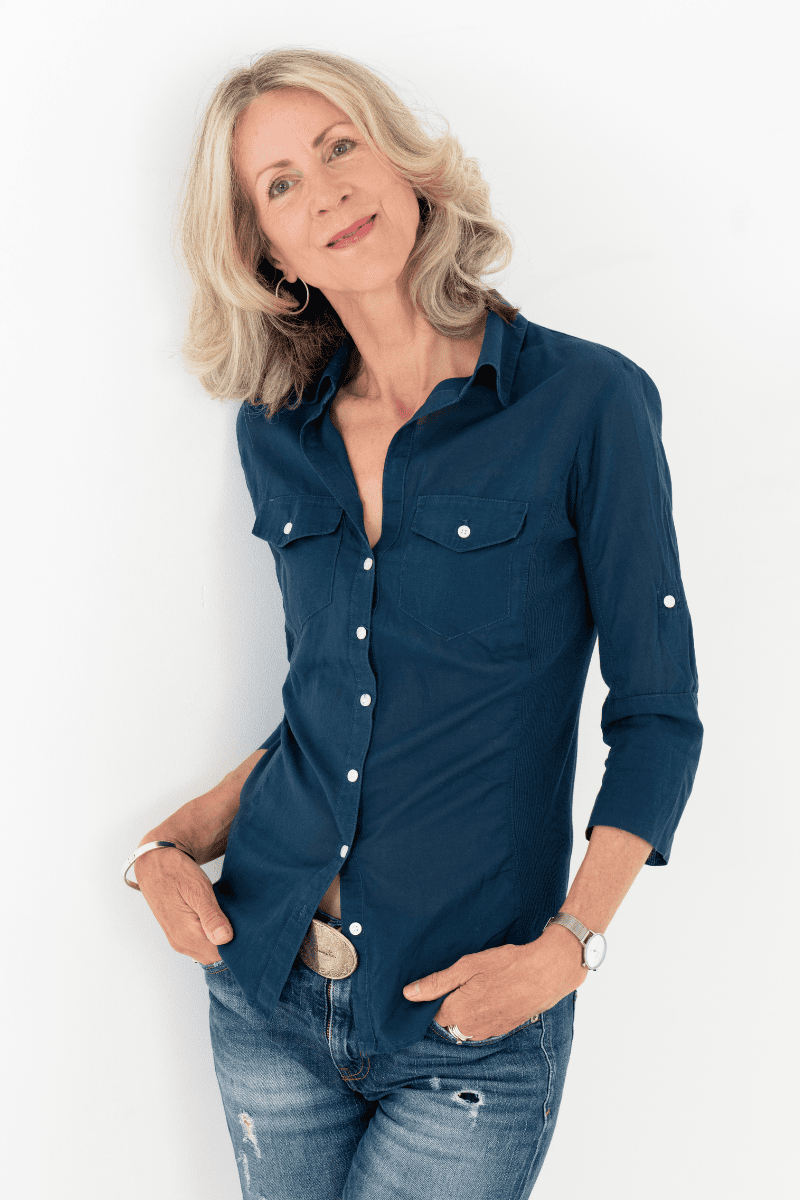
An exaggerated lumbar curve is known as hyperlordosis (demonstrated by the young lady in the photograph above).
The degree of hyperlordosis can vary considerably from person to person and there are many factors that may contribute to its appearance. Pregnancy, for example, changes how weight is distributed through the body and can influence the way the pelvis and spine organise themselves in standing and sitting.
Hyperlordosis is often discussed as though it is a problem in itself. However, the body is remarkably adaptable. What we see in posture is often the result of the body’s attempt to find balance and support in response to changing demands.
Rather than focusing solely on the shape of the spine, it can be helpful to consider what support the body is receiving and how it is organising itself as a whole.
The pelvis and the spine
The pelvis forms the foundation upon which the spine rests.
When the pelvis is well supported, the spine is often better able to organise itself naturally. The lumbar curve may become less exaggerated, the ribcage may settle differently and the body can feel more balanced and at ease.
This does not happen because the body is being forced into a position. Rather, it reflects the body’s innate ability to respond when the conditions are supportive.
The relationship between the pelvis and spine is dynamic. A change in one area can influence the organisation of the whole body.
Supporting the body’s natural intelligence
We often think of posture as something that must be corrected or held in place.
My experience has been that the body generally responds better when it is given the support it needs.
When the foundation improves, the rest of the body frequently begins to reorganise itself without conscious effort.
The natural curves of the spine are not flaws to be fixed. They are part of a beautifully designed system that is constantly adapting, balancing and responding to life.

Loulou James | Founder of the Buttafly
Reflections from my work in natural back care and embodied spine health
May your spine be aligned, your body be at ease, and your spirit soar with vitality.