
August 14, 2016
Sitting Posture – Why the Details Matter

At first glance, my sitting posture here might appear quite reasonable.
My back looks upright, my shoulders appear relaxed and my hips seem fairly open. If we were to make a quick assessment from the front, there might seem little cause for concern.
But what happens when we look a little more closely?
Viewed from the side, a different picture begins to emerge.
Although I appear upright, my pelvis has rolled backwards into a posterior pelvic tilt. As the pelvis rolls backwards, the sacrum follows, and the natural lumbar lordosis is reduced.
In order to remain upright, my body has found another strategy.
Rather than rising naturally from the pelvis, the spine compensates further up. The lower ribs lift, the thoracic spine becomes overextended and the head and neck are drawn out of their most balanced relationship with the rest of the body.
The result is a posture that may look acceptable from the front, yet requires considerably more effort than it first appears.
If you look carefully, you can even see some of this effort expressed through the muscles at the front of my neck. My belly is working hard too.
The body is doing its best to create an upright shape, but it is working hard to achieve it.
The clues are in the details
This is one of the reasons I encourage people to look beyond the obvious.
Posture is not simply about whether somebody appears upright.
The more interesting question is how that upright position is being achieved.
Is the body organised in a way that feels balanced and sustainable?
Or is it relying on compensations and muscular effort that may become tiring over time?
The outward shape may be similar, but the experience within can be very different.
What about the breath?
Breathing often provides useful clues too..
When the pelvis is unable to provide a supportive foundation, the body’s compensations can influence the movement of the entire trunk.
The diaphragm may have less freedom to descend fully. The lifted ribcage can affect the natural movement of the chest, while increased tension around the neck and shoulders may further reduce the sense of ease in breathing.
Again, these are details that may not be immediately obvious from a quick glance.
A different experience
When I sit on the Buttafly, the relationship between the pelvis and spine changes.
With better support beneath the sitting bones, the pelvis is able to find a more balanced position. From there, the spine can organise itself more naturally, requiring less compensation elsewhere.
The difference is not simply one of appearance.
It is a difference in effort.
For me, this photograph serves as a reminder that posture is often more complex than it first appears. Sometimes the most valuable insights come when we slow down, look more carefully and begin to notice the details.

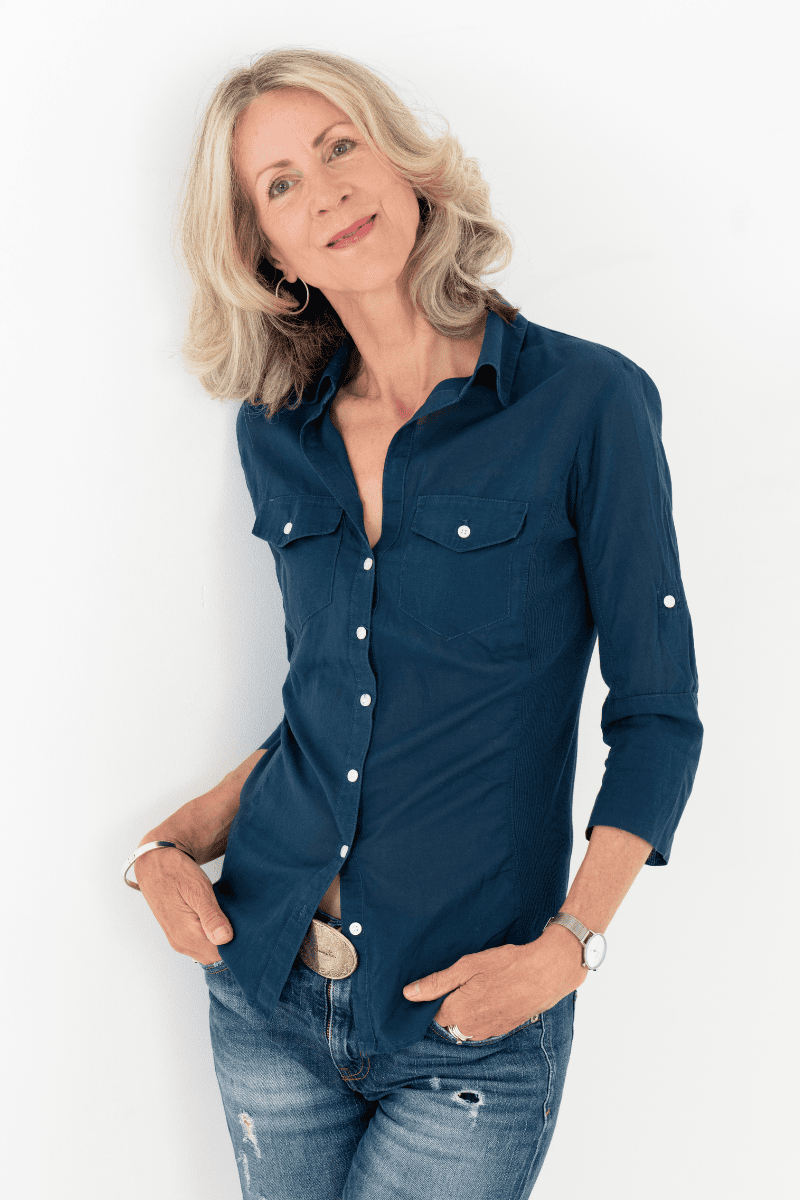
Loulou James | Founder of the Buttafly
Reflections from my work in natural back care and embodied spine health
May your spine be aligned, your body be at ease, and your spirit soar with vitality.