
December 12, 2016
Preparing for a Vipassana Meditation Retreat

The Buttafly helped me sit 10 hours of meditation a day on a 10 day silent Vipassana course with relatively little discomfort. For sitting meditation, the forward sloping, firm surface for sitting is ideal for the natural mechanics of the body. I can sit for hours on the Buttafly and now use it daily when at my computer, meditating, eating meals etc. I love it, it is light and perfect for transporting on flights or when travelling.
— Bryan McElroy, GP and student of the Alexander Technique
Few of us would embark on a 10-day Vipassana meditation retreat without giving some thought as to how to prepare for the experience.
While the mental and emotional aspects of meditation often receive much attention, the physical demands of sitting quietly for many hours each day are sometimes overlooked.
Over the years, I have met people who found that prolonged sitting became a significant challenge during retreat. In some cases, discomfort distracted from the practice itself and, for a few, the experience affected their relationship with meditation afterwards. The good news is that the body can be prepared.
Preparing the body for stillness
Meditation does not require a particular posture. Some people sit cross-legged on the floor, others prefer kneeling, sitting on a meditation bench or using a chair. What matters most is finding a position that allows the body to feel both supported and sustainable.
If sitting on the floor is your goal, it can be helpful to build up your sitting practice gradually in the weeks and months before attending a retreat. This allows the hips, knees and spine to become more familiar with periods of stillness. Just as importantly, it allows you to explore what kind of support helps your body settle most comfortably.
The role of the pelvis
One of the reasons many people struggle with seated meditation is not a lack of determination, but a lack of support.
When the pelvis is unable to find a comfortable relationship with the floor, the rest of the body often compensates. Muscles work harder, breathing may become less free and sitting can feel more effortful than it needs to. A simple change in support can sometimes make a remarkable difference.
The Buttafly was originally designed to support floor sitting. Its shape raises the hips slightly above the knees and provides a firm, forward-sloping surface that many people find helpful for longer periods of meditation.
This can create a sense of greater ease and makes sitting for longer periods more sustainable.
Meditation beyond the cushion
Preparing for a retreat does not necessarily require hours of formal practice.
Opportunities arise throughout the day: sitting upright at a table, travelling on public transport or spending a few moments sitting quietly without relying on the back of a chair can all help develop awareness of how you sit and the support your body needs.
Meditation begins long before the retreat itself. Sometimes it begins with learning how to sit.

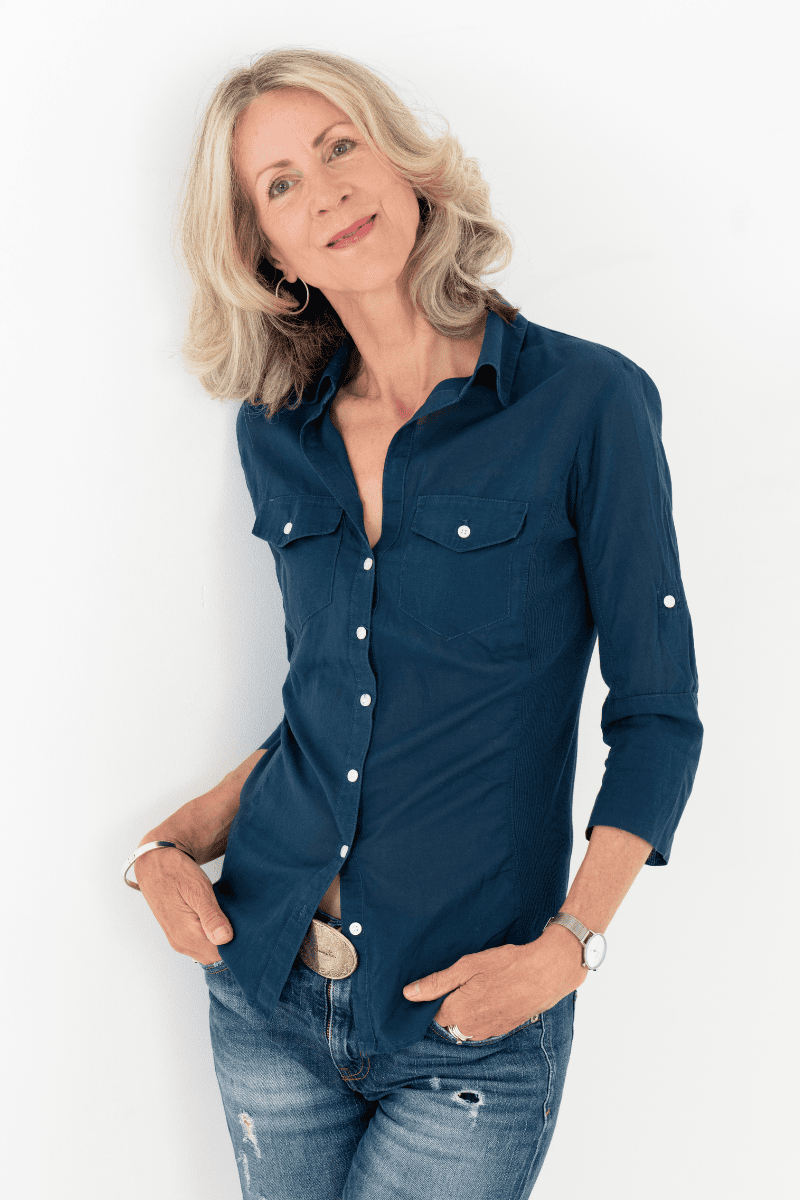
Loulou James | Founder of the Buttafly
Reflections from my work in natural back care and embodied spine health
May your spine be aligned, your body be at ease, and your spirit soar with vitality.