
February 6, 2026
The Buttafly Technique for back pain and sciatica
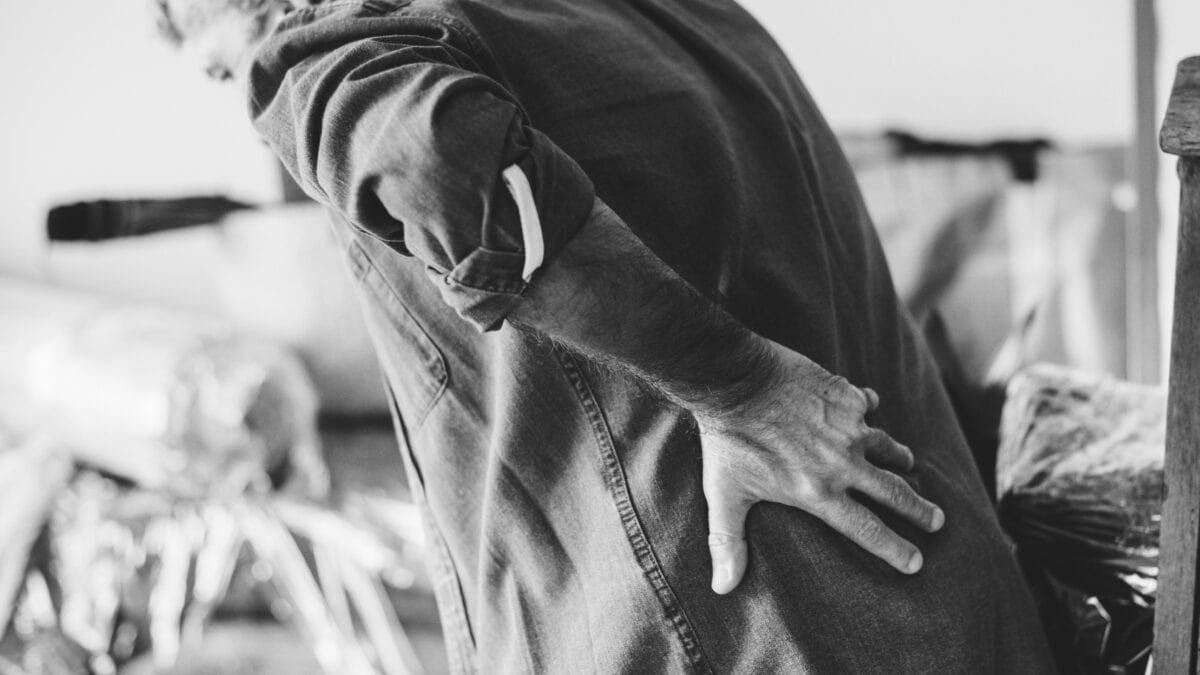
If you’ve ever been told you have a disc bulge or prolapse on MRI, you might worry that your back pain is inevitable or permanent. But as we explored in the previous post, many people with these findings have no symptoms at all.
The beauty of the Buttafly Technique is that it meets you where you are, offering gentle support and practical tools to help you support your body’s natural capacity to adapt, regardless of what your scan shows.
How the Buttafly Technique may support back pain and sciatica
Supports natural spinal alignment
- Possible contributors: Many back pain and sciatica cases involve subtle shifts or misalignments in the spine or pelvis, which can irritate the structures of the spine and lead to muscle tesnion.
- Effect: The Buttafly Technique gently encourages the spine and pelvis back toward their natural alignment, reducing pressure on sensitive structures and promoting even distribution of the natural forces of every day living throughout the spine.
Helps reduce unnecessary tension around the spine
- Possible contributors: Prolonged sitting, changes in movement patterns, previous injury and periods of stress may influence how the body responds to everyday demands and may contribute to changes in the spine, including disc bulges, prolapses or herniations, which in some cases may irritate adjacent nerves. Read more here.
- Effect: By supporting the pelvis and spine in a specific way, the Buttafly Technique facilitates the release of muscle tension, and realignment of the spine. This unwinding helps all the structures of the spine to come into a more optimal position, often relieving pressure and compression and easing symptoms of sciatica and back pain.
Encourages relaxation
- Possible contributors: Chronic pain can keep the nervous system in a state of high alert, making muscles tense and pain more persistent.
- Effect: The Buttafly Technique invites deep relaxation, helping to “reset” the nervous system. This can lower muscle tension, reduce pain sensitivity, and foster a sense of safety and ease.
Builds body awareness
- Possible contributors: Fear of movement is common in people with chronic back pain, which in turn contributes to stiffness and weakness.
- Effect: The gentle, supported set-up of the Buttafly Technique helps clients reconnect with their bodies, encouraging safe movement and building trust in their innate healing capacity.
Encourages confidence and self-care
- Possible contributors: Feeling powerless or reliant on external treatments can slow recovery.
- Effect: The Buttafly Technique is designed for self-practice, giving clients a tool to manage their own symptoms, build confidence, and take an active role in their recovery.
In summary
The Buttafly Technique offers a gentle, integrated approach considers the relationship between the body, nervous system and lived experience. For many people, this provides a different pathway towards understanding their symptoms and supporting their recovery.
Buttafly Technique, Back pain, Sciatica, Spinal alignment, Natural alignment, Posture, Movement, Nervous system, Body awareness, Self-care, Recovery, Fear of movement


Loulou James | Founder of the Buttafly
Reflections from my work in natural back care and embodied spine health
May your spine be aligned, your body be at ease, and your spirit soar with vitality.