
October 25, 2026
Coccyx pain in men
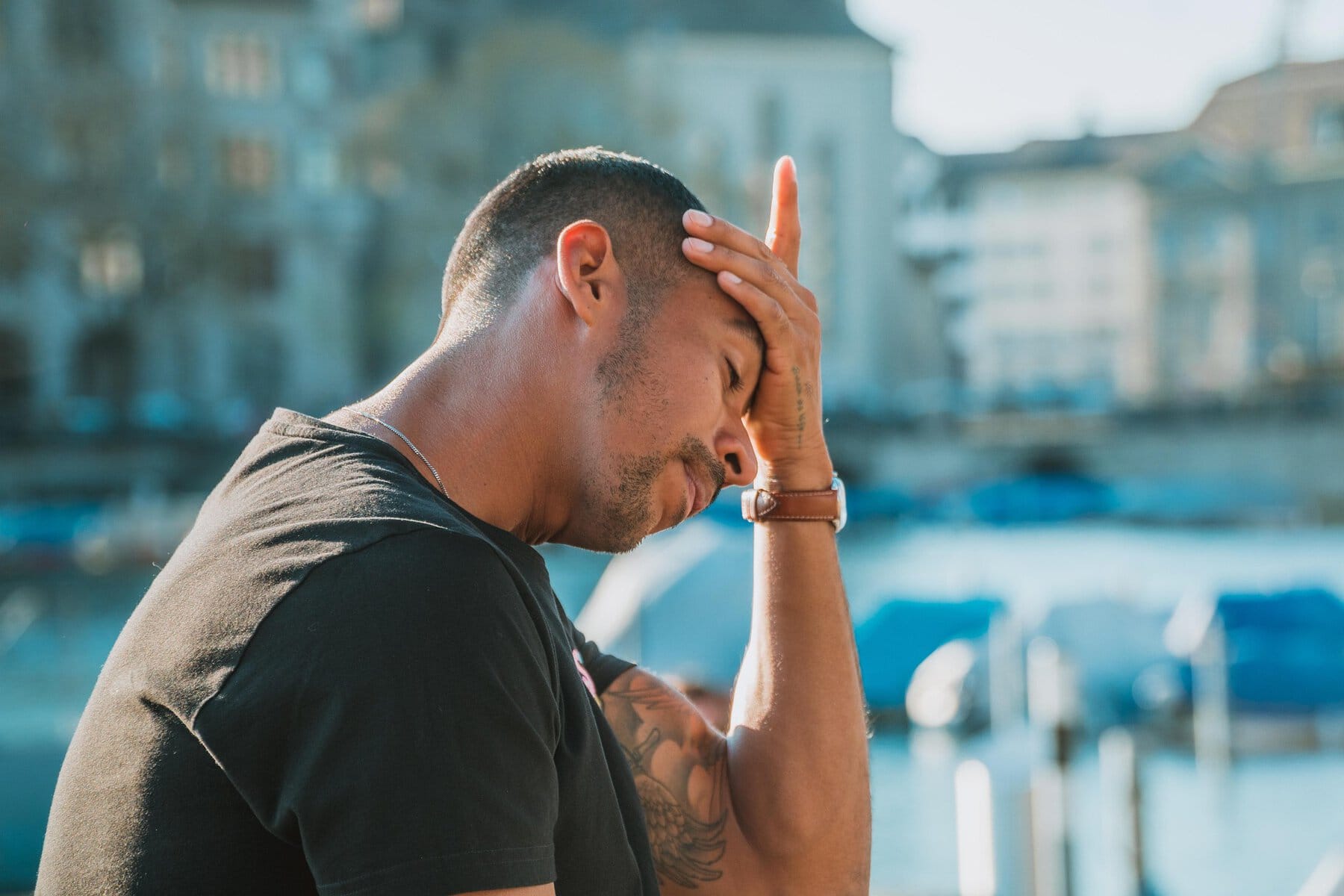
When a man develops tailbone pain without a memorable fall, it can be difficult to know where to begin. Is the coccyx itself sore? Could the discomfort be connected with the pelvic floor? And what if there are urinary symptoms or pain during sex too?
In my practice, I hear women describe falling onto their tailbone more often than men. That observation prompted me to explore a different question: might some men describe their discomfort as a prostate or pelvic problem, rather than as coccyx pain?
That is a question worth exploring, rather than an explanation we can assume. This article looks at the overlap, drawing on research, specialist practitioner teaching and my own understanding and experience.
For the anatomy, sitting advice and broader mind–body discussion, see Coccyx pain: a holistic perspective on your tailbone.
When “prostatitis” is the beginning of the conversation
The word prostatitis suggests that the prostate is inflamed. Sometimes there is a bacterial infection requiring medical treatment. However, men may also receive the diagnosis chronic prostatitis/chronic pelvic pain syndrome, usually shortened to CP/CPPS, when persistent pelvic pain occurs without a demonstrated bacterial infection.[1]
This can involve discomfort around the perineum — the area between the scrotum and anus — the penis, testicles or lower abdomen, alongside urinary difficulties or painful ejaculation. The location and combination of symptoms vary.[1]
Karl Monahan, founder of The Pelvic Pain Clinic, has written thoughtfully about the confusion this can create. In his 2017 article, The inflammatory journey of a prostatitis patient, he challenges the use of “prostatitis” as an umbrella label when the prostate has not been established as the source. He also asks practitioners to understand the individual’s worries, relationships, working life and circumstances when planning care.[2]
For someone who has been worrying about a damaged or diseased prostate, a clearer explanation can bring considerable relief. It can also open up further avenues for assessment and support.
Where does the coccyx fit in?
There is a recognised overlap between male pelvic floor pain and discomfort felt around the coccyx. The American Urological Association’s 2025 guideline describes pelvic floor muscle pain that can radiate towards the coccyx, sometimes alongside difficulty passing urine or pain with ejaculation.[3]
A multicentre study of 384 men with CP/CPPS recorded coccyx tenderness in seven men — approximately 2% — compared with none of 121 men without pelvic pain. Tenderness at other pelvic floor sites was more common. Overall, tenderness did not track with evidence of infection or inflammation in prostate fluid.[4]
This gives us a useful, specific connection: some men with chronic pelvic pain also have a tender coccyx. It does not tell us how often men presenting with tailbone pain have a prostate condition, or establish that one causes the other.
An enlarged prostate is a separate issue. Benign prostate enlargement becomes more common with age and can cause urinary symptoms, but the research reviewed for this article does not establish it as a common cause of isolated coccyx pain.[1]
A man’s experience that brings the overlap to life
On The Pelvic Pain Clinic’s website, a man called Chris describes developing pelvic symptoms after a cycling accident in which he reports fracturing his tailbone. Continued cycling and a stressful house move followed. At 38, with two children, he was frightened about what his symptoms might mean.[5]
He describes gradually recovering with Karl’s support and a combination of approaches, including breathing, relaxation, movement and changes to daily habits.
His account cannot establish what caused the symptoms or which treatment helped most. It does, however, describe how injury, activity, life pressures and fear can become entwined in one person’s experience — and how valuable it can be to find someone who listens and offers a way forward.
What age do men develop coccyx pain without an injury?
Pain arising without an identifiable injury is often described as atraumatic or nontraumatic coccyx pain. There is no reliable men-only age profile in the studies reviewed here.
One study specifically examining nontraumatic coccyx pain included 23 men and 23 women. Their combined average age was 41.8, with ages ranging from 19 to 76. The researchers did not give a separate average for men.[6]
Another study of patients having surgery for persistent coccyx pain included an atraumatic group of 48 people, of whom 12 were men. The combined average age was 37.1. This was a selected surgical group, rather than a picture of everyone developing symptoms.[7]
These studies show that atraumatic coccyx pain is seen across adult life, including well before old age. They cannot give us a typical age of onset for men. It would be misleading to use their averages to link tailbone pain with an ageing prostate.
The pelvic floor may need help to let go
Men are often encouraged to strengthen their pelvic floor. Yet often men with pelvic pain need help with relaxation and coordination.
In a study comparing 42 men with CP/CPPS and 48 men without pelvic pain, affected men had greater difficulty returning pelvic floor activity to its resting level after contractions. The finding was particularly associated with pain during ejaculation.[8]
This helps explain why an individual assessment is more useful than automatically prescribing repeated squeezes. A practitioner experienced in male pelvic health can explore whether muscles are tender, how they relax and what happens during everyday activities.
Looking beyond the painful area
Karl’s work is particularly relevant here because it considers both the physical symptoms and the experience of living with them. He describes an approach drawing on movement, pain education, stress management and psychological approaches, informed by his own experience of pelvic pain.[9]
Other practitioners have explored a similar breadth. Urologist Rodney Anderson and psychologist David Wise studied a programme combining myofascial treatment with relaxation training in 138 men with persistent pelvic pain. Seventy-two per cent reported moderate or marked improvement. It was an uncontrolled study, so the result cannot tell us how much each element contributed, but it offers an encouraging example of combined care.[10]
These approaches give men more to work with than an instruction to put up with the symptoms. There may be opportunities to change how the body responds, rebuild confidence in movement and intimacy, and reduce the fear surrounding pain.
An experience from my own practice
One of my clients, MB, shared his experience of the Buttafly Technique in 2023. He was living with urinary difficulties associated with benign prostate enlargement and using intermittent catheters.
Following a session with me and several days of short sessions at home, he described feeling more relaxed, with steadier energy and greater mental clarity. He also noticed a change in his bladder awareness:
“My ability to feel when I need to urinate has returned, and I am now passing a small amount of urine every time, and I supplement this with intermittent catheters.”
For MB, these changes brought renewed confidence:
“It has given me the confidence to go forward positively to define a whole solution.”
I have shared more of his experience in a separate post: A need they didn’t know they had.
My perspective through Lifestyle Prescriptions® Health Coaching
In my work, I am interested in what was happening in someone’s life when symptoms began, as well as what is happening in the painful area.
My understanding of Organ–Mind–Brain Anatomy™ leads me to explore the experience of having to “sit out” a situation when working with coccyx and sitting-bone discomfort. That might mean enforced waiting, feeling sidelined, or wanting to act while believing there is no acceptable choice.
I offer this as an invitation to personal enquiry. A person’s experience may fit that theme, suggest something quite different, or have no obvious emotional association. These themes are not established anatomical causes or diagnostic tests. The value of the conversation is in discovering what feels relevant and where support or change might be possible.
For a man living with coccyx or pelvic pain, useful questions might include:
- Around the time this began, was there anything I felt I had to sit out or wait through?
- Was I holding back from saying or doing something important to me?
- How have the symptoms affected my confidence, closeness with a partner or willingness to ask for help?
- When do I notice less discomfort, and what is different at those times?
- What would help me feel more supported or able to make a choice now?
There is no need to force an answer. Sometimes the most helpful starting point is simply having time to talk about something that has been frightening, frustrating or difficult to explain.
Bringing the whole pattern to an assessment
If you seek help for tailbone pain, mention any urinary changes, painful ejaculation, discomfort in the perineum or testicles, and bowel symptoms too. Even if these feel embarrassing or unrelated, they may help the practitioner understand the pattern and choose appropriate investigations or treatment.[1,3]
Persistent or worsening symptoms deserve assessment. Fever or chills with pelvic pain, or being unable to pass urine, need urgent medical attention.[1]
For practical ideas about reducing pressure when sitting, and the wider discussion of coccyx pain, return to Coccyx pain: a holistic perspective on your tailbone.
This article brings together research, practitioner teaching and my own exploration and experience. It offers information and opportunities for reflection, and is not intended to diagnose an individual’s symptoms or replace appropriate medical assessment or treatment.
References and further reading
- National Institute of Diabetes and Digestive and Kidney Diseases. Prostatitis: inflammation of the prostate and Prostate problems.
- Monahan K. The inflammatory journey of a prostatitis patient. Trends in Urology & Men’s Health. 2017. Read the article.
- American Urological Association. Diagnosis and Management of Male Chronic Pelvic Pain. 2025. Guideline.
- Shoskes DA and colleagues. Muscle tenderness in men with chronic prostatitis/chronic pelvic pain syndrome: the chronic prostatitis cohort study. Journal of Urology. 2008;179:556–560. Original paper.
- The Pelvic Pain Clinic. Chris’s successful recovery from prostatitis. A personal account. Read Chris’s story.
- Dave BR, Bang PB, Degulmadi D, Samel P, Shah D, Krishnan A. A clinical and radiological study of nontraumatic coccygodynia in Indian population. Indian Spine Journal. 2019;2:128–133. Original study.
- Kara D and colleagues. Traumatic coccydynia patients benefit from coccygectomy more than patients undergoing coccygectomy for non-traumatic causes. Journal of Orthopaedic Surgery and Research. 2023;18:802. Original study.
- Yani MS and colleagues. Impaired Ability to Relax Pelvic Floor Muscles in Men With Chronic Prostatitis/Chronic Pelvic Pain Syndrome. Physical Therapy. 2022. Original study.
- The Pelvic Pain Clinic. Karl Monahan: background and approach. Also see Pelvic Pain Matters.
- Anderson RU, Wise D, Sawyer T, Chan C. Integration of myofascial trigger point release and paradoxical relaxation training treatment of chronic pelvic pain in men. Journal of Urology. 2005;174:155–160. Original study.
For a broader men’s health perspective, Dr Syed Arfeen’s work at The WellMan Clinic includes hormonal, sexual and prostate health.


Loulou James | Founder of the Buttafly
Reflections from my work in natural back care and embodied spine health
May your spine be aligned, your body be at ease, and your spirit soar with vitality.